畫面初見|礦坑之中的生命書寫
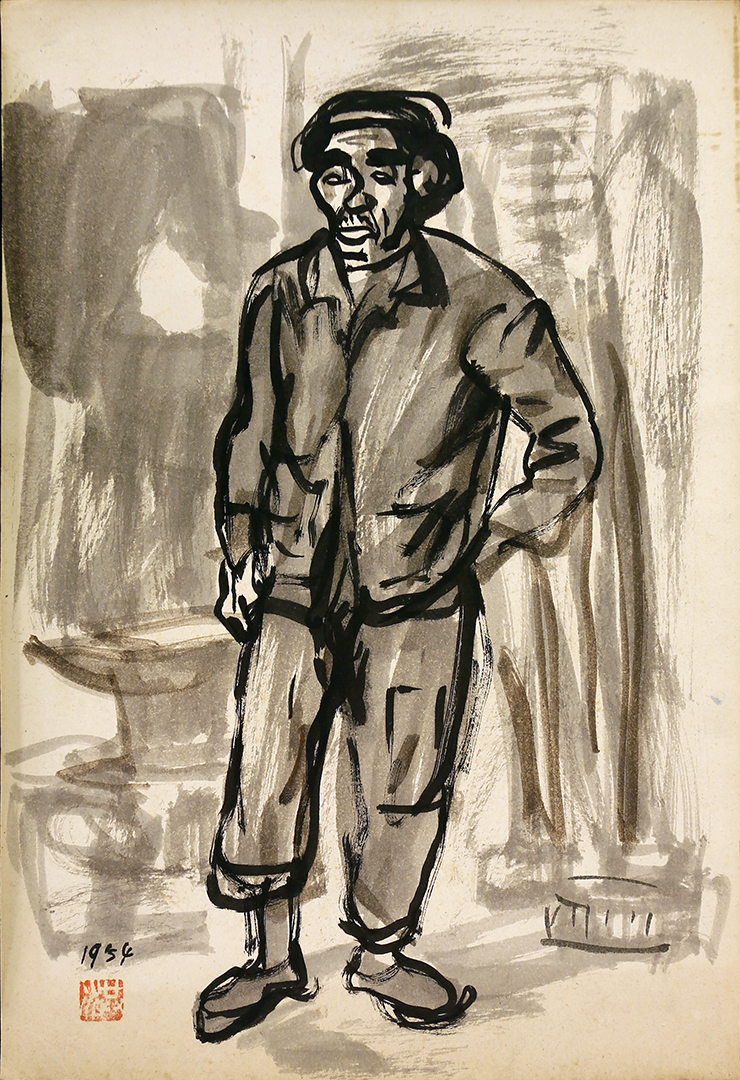
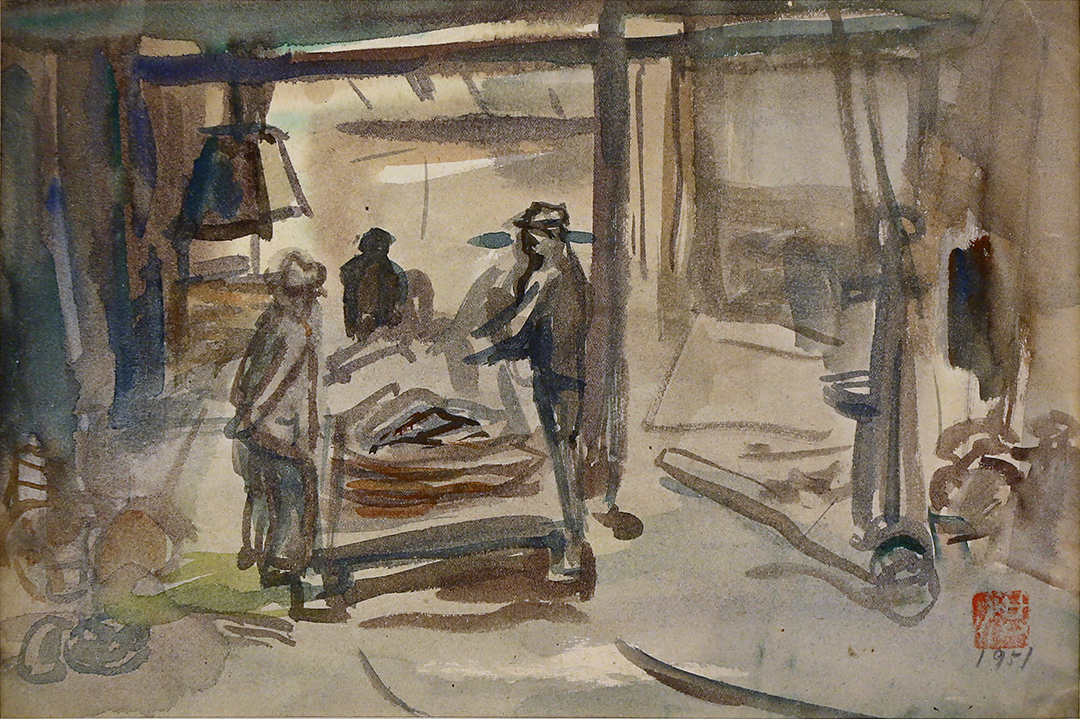
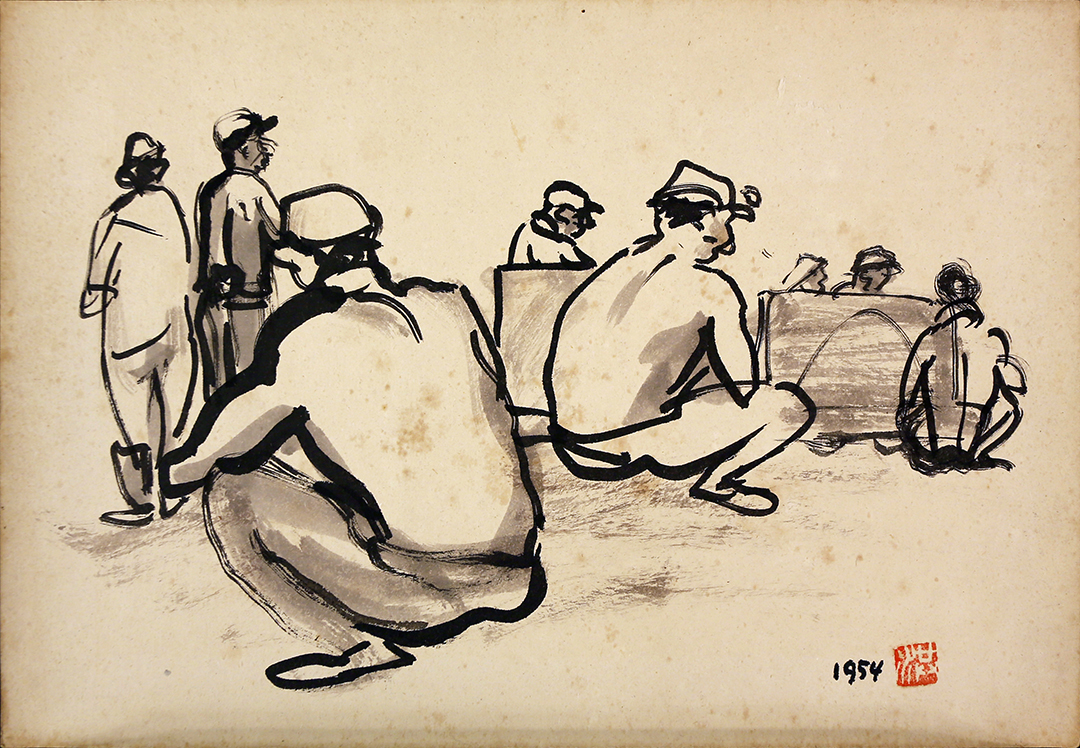
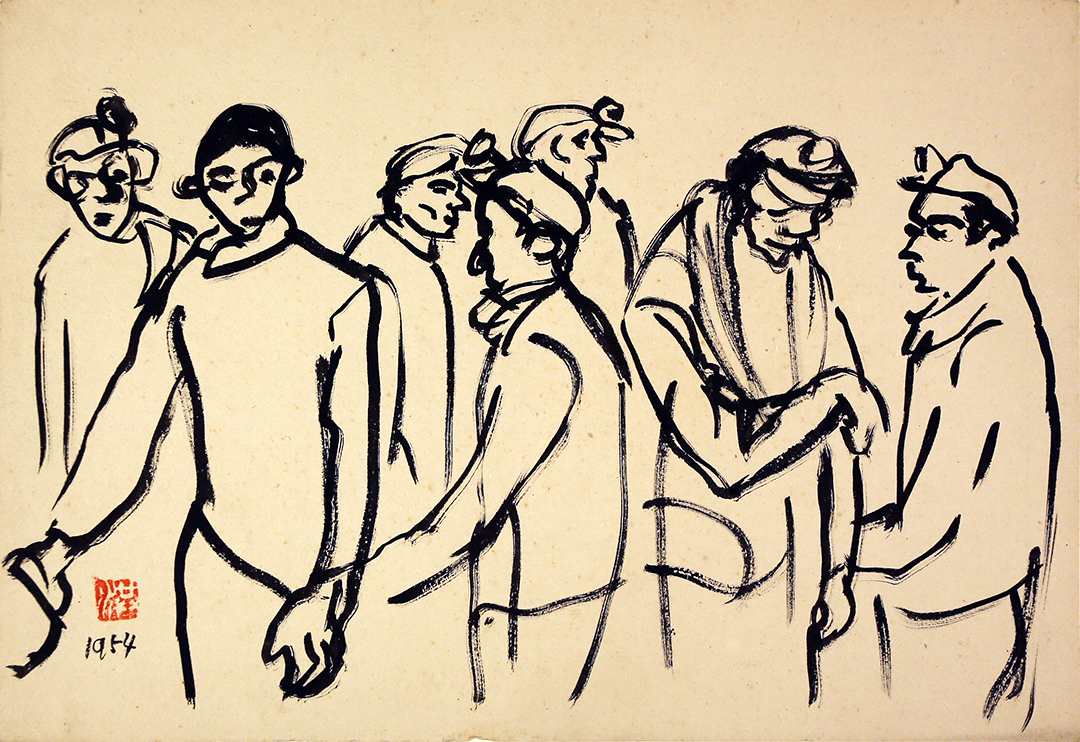
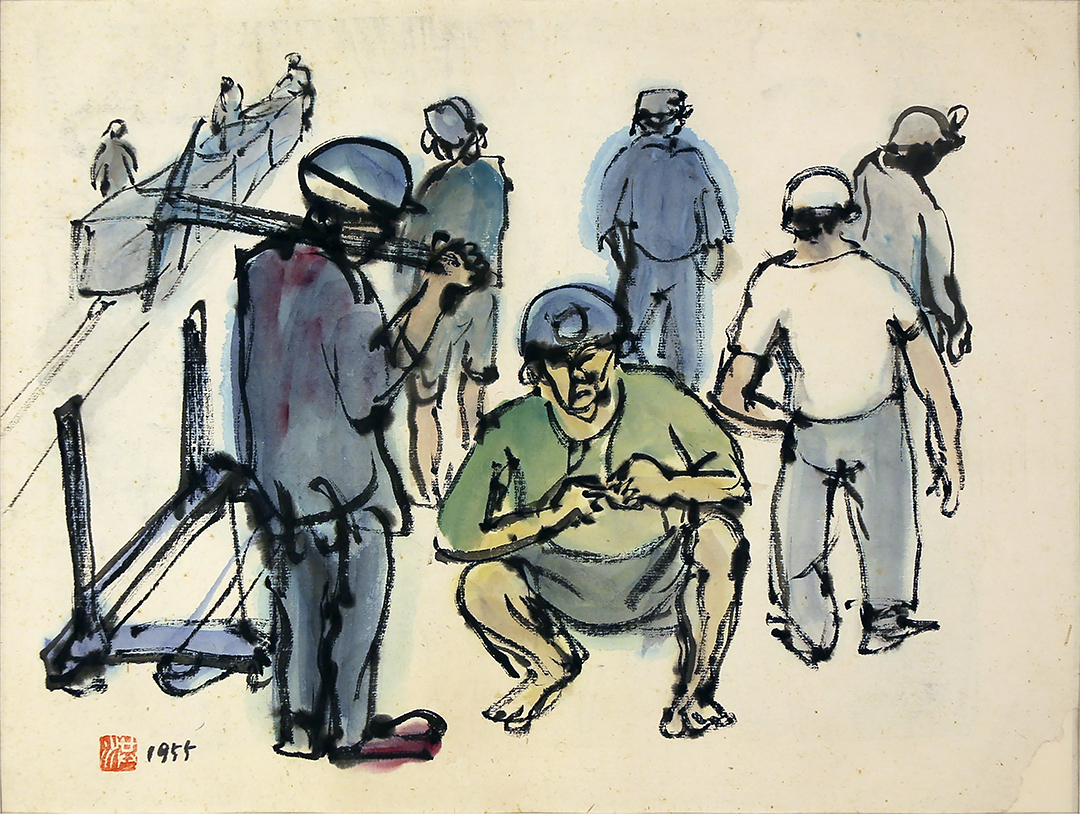
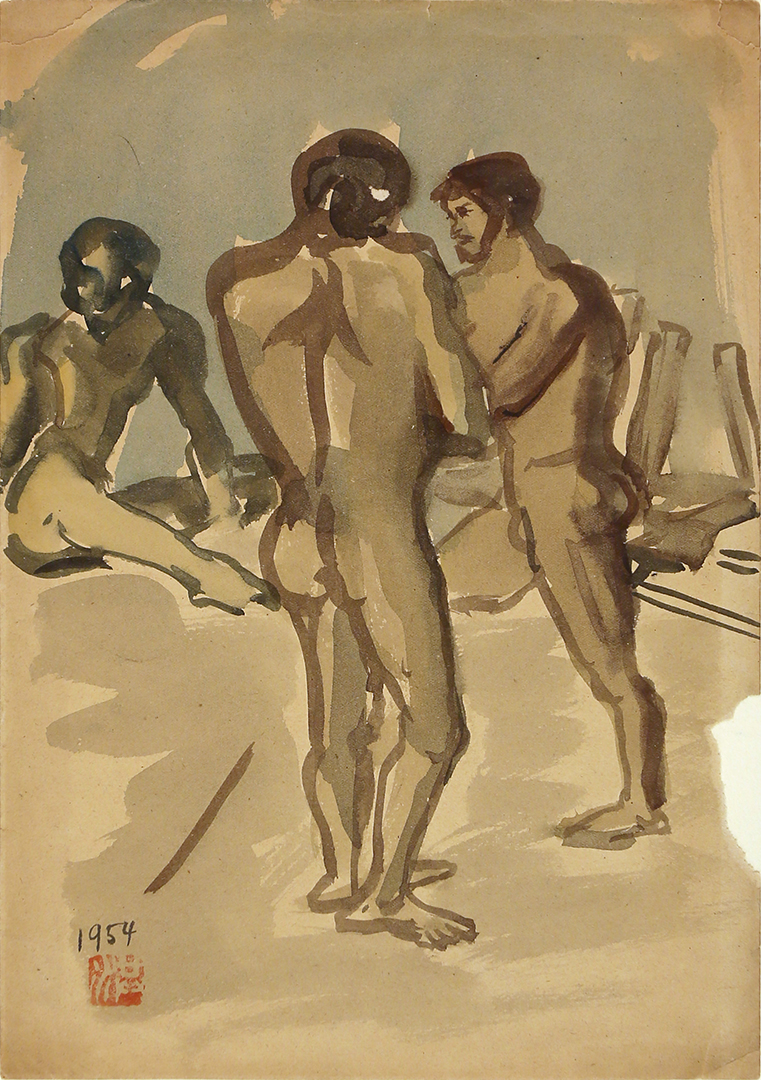
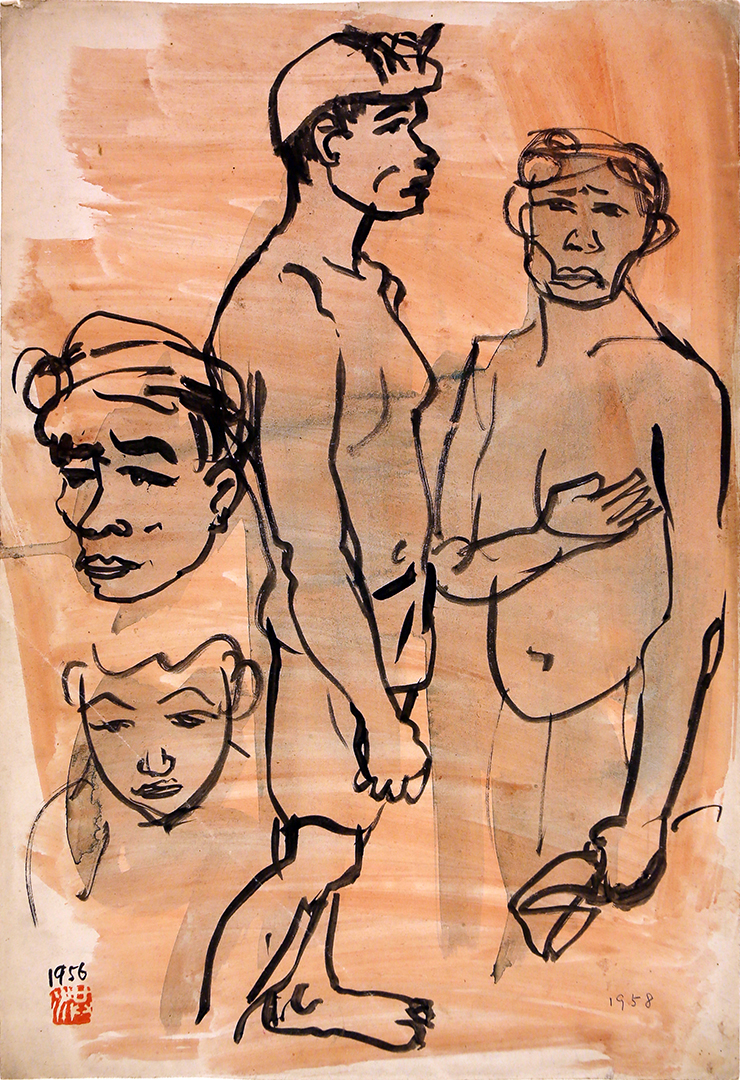
洪瑞麟是台灣現代繪畫中少數真正長期接觸勞動現場的藝術家之一。自煤礦工作開始, 他的創作便與礦工的日常密不可分。坑道內的空氣、煤屑、受壓的身體、 長年勞動留下的面容,皆在他筆下轉化為極具力量的繪畫語言。
Hung Jui-Lin stands among the few modern Taiwanese painters who remained deeply engaged with the physical reality of labor. Once he entered the mining world, his art became inseparable from the everyday life of miners—the tunnel, the coal dust, the strained body, and the weathered face.
他的礦工系列之所以動人,不只因為主題獨特,更因畫面中自然流露出強烈的情感與悲憫。 礦工並非被視為社會背景中的配角,而是作為真正的主體被凝視、被理解。 那種樸拙、粗獷、沉著而帶有尊嚴的形象,構成了洪瑞麟最深刻的藝術成就。
What makes the Miner Series compelling is not only its subject matter, but the intensity of feeling that arises from it. Miners are not treated as background figures in social history; they emerge as the true subject of attention—seen with gravity, empathy, and dignity.
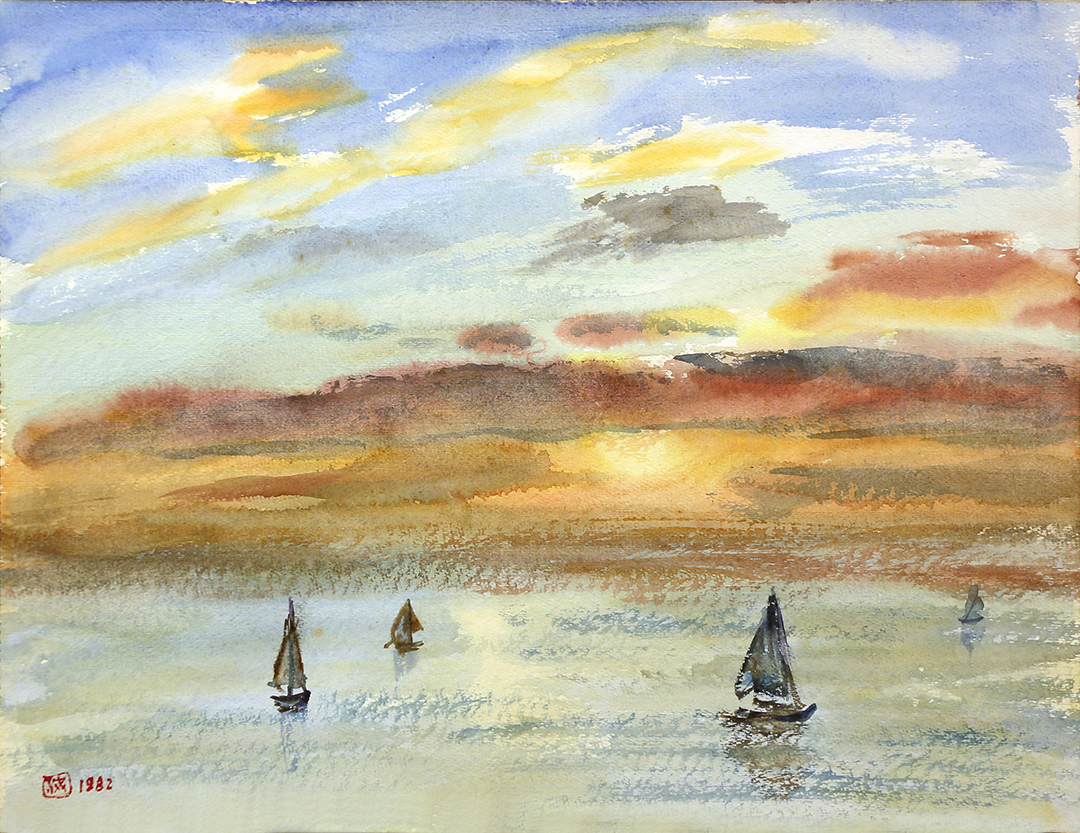
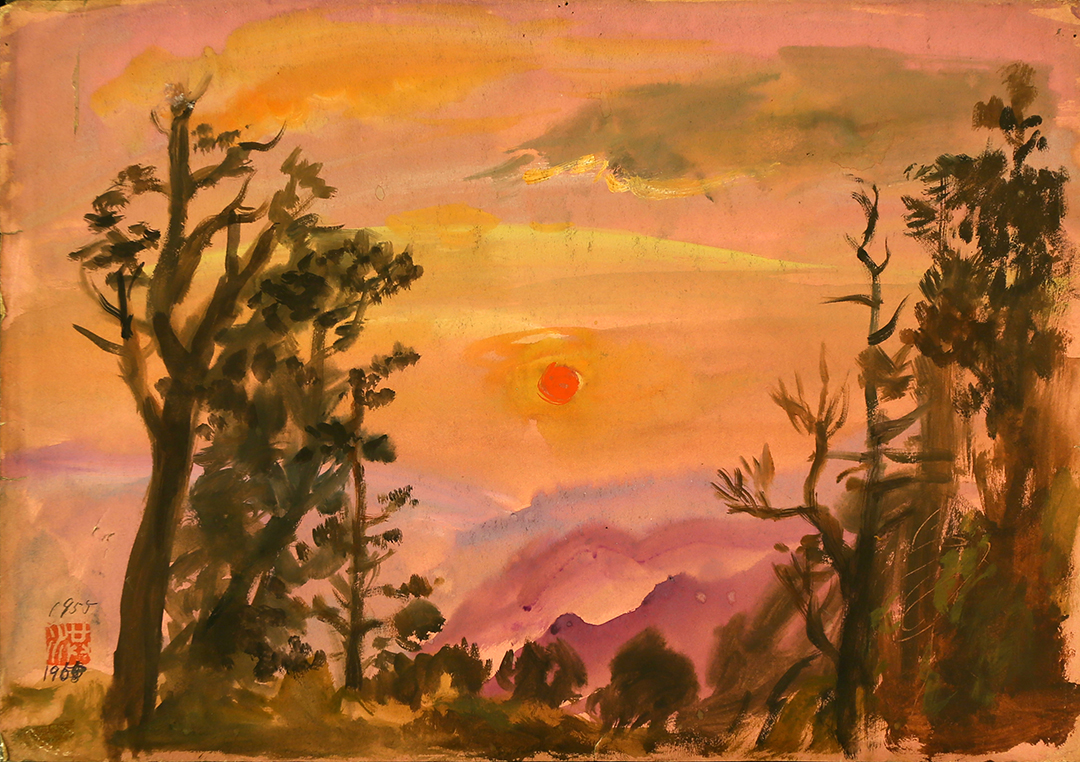
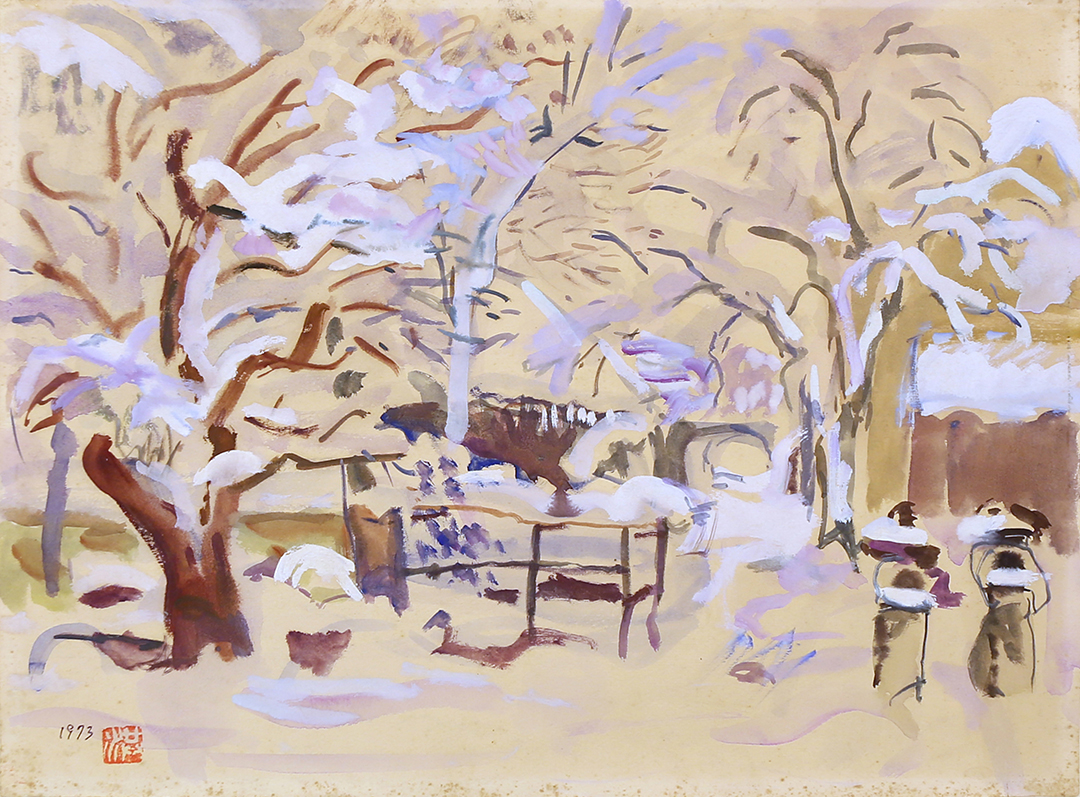
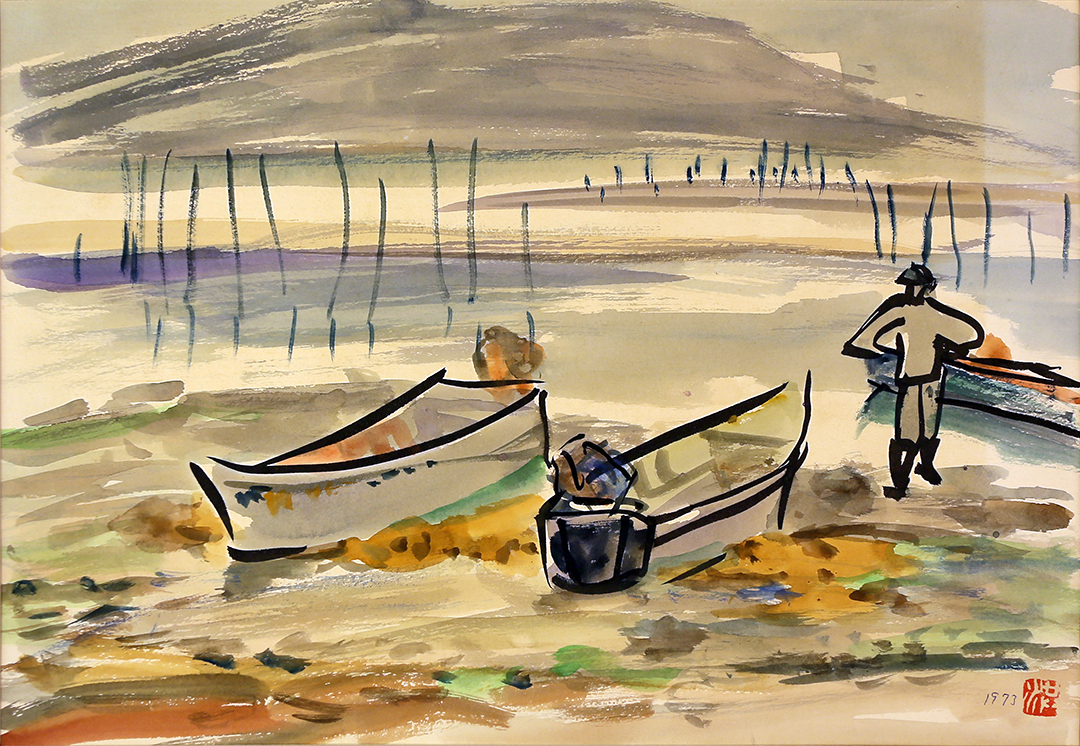
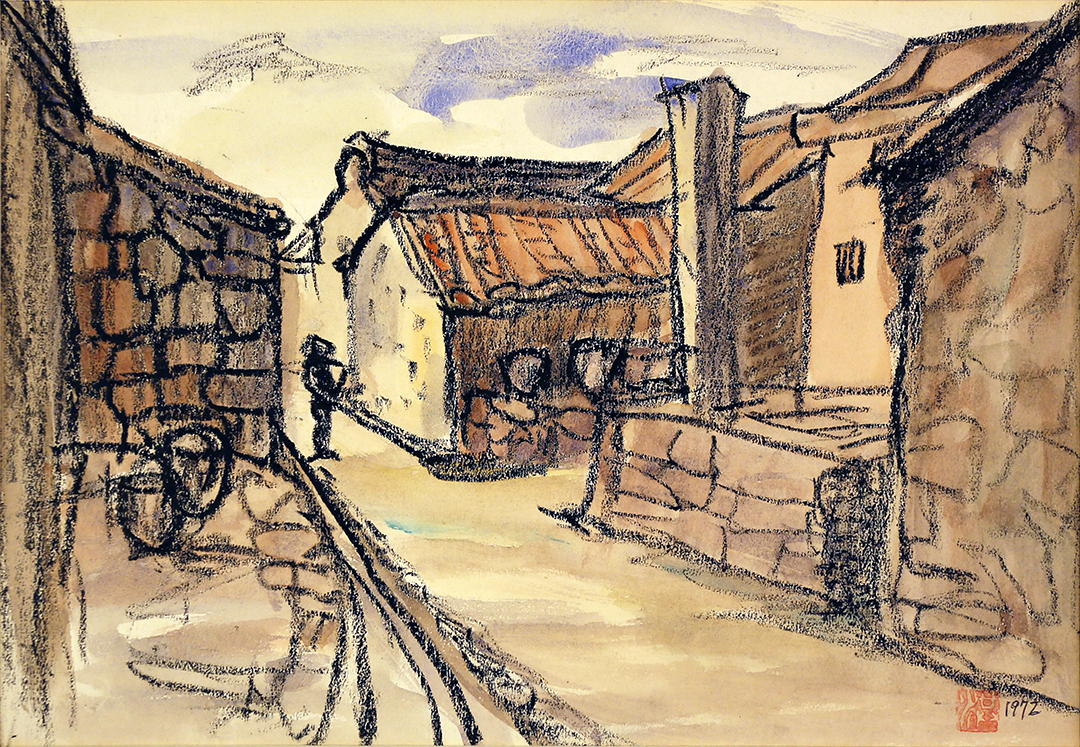
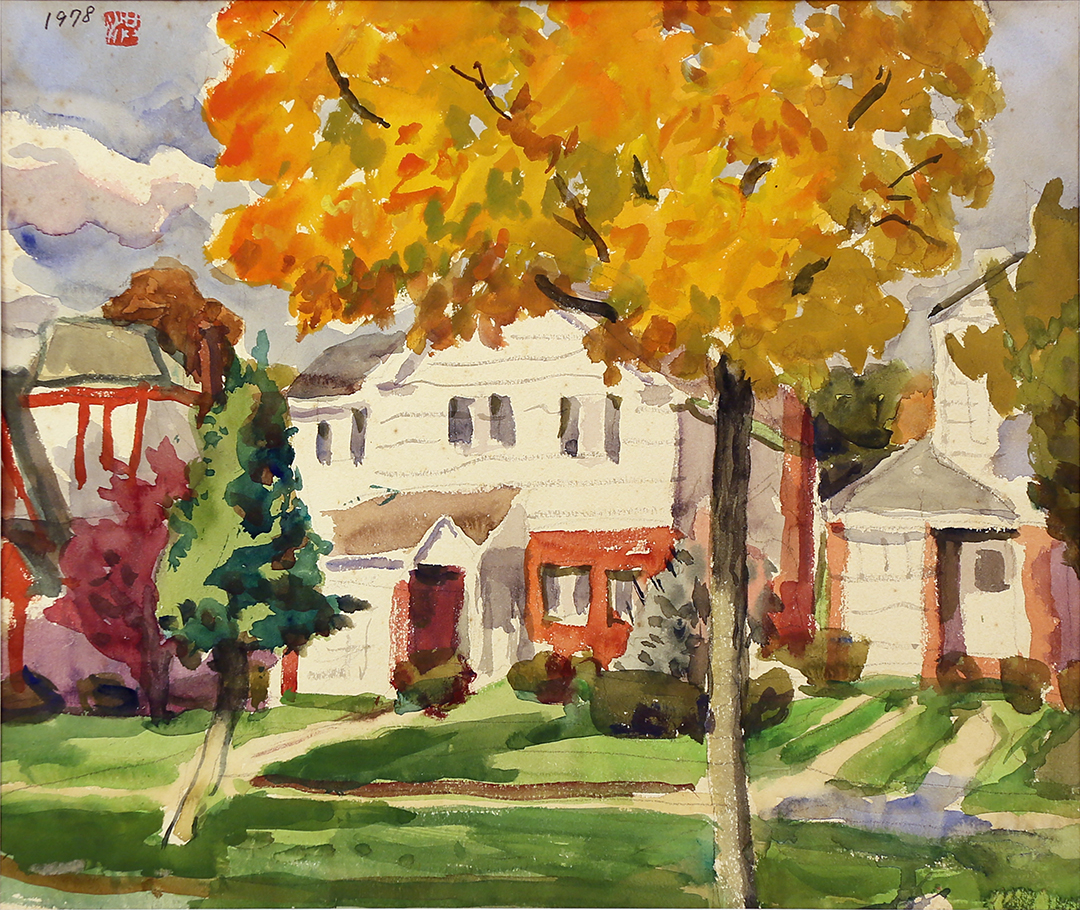
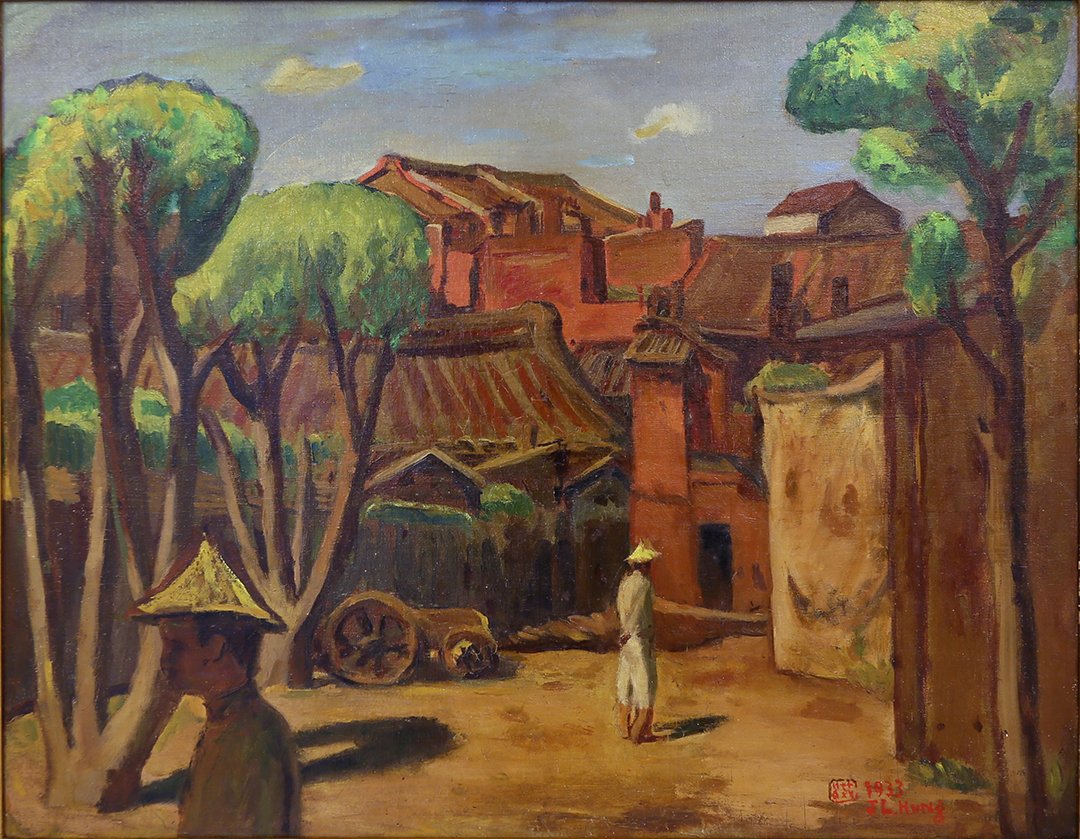
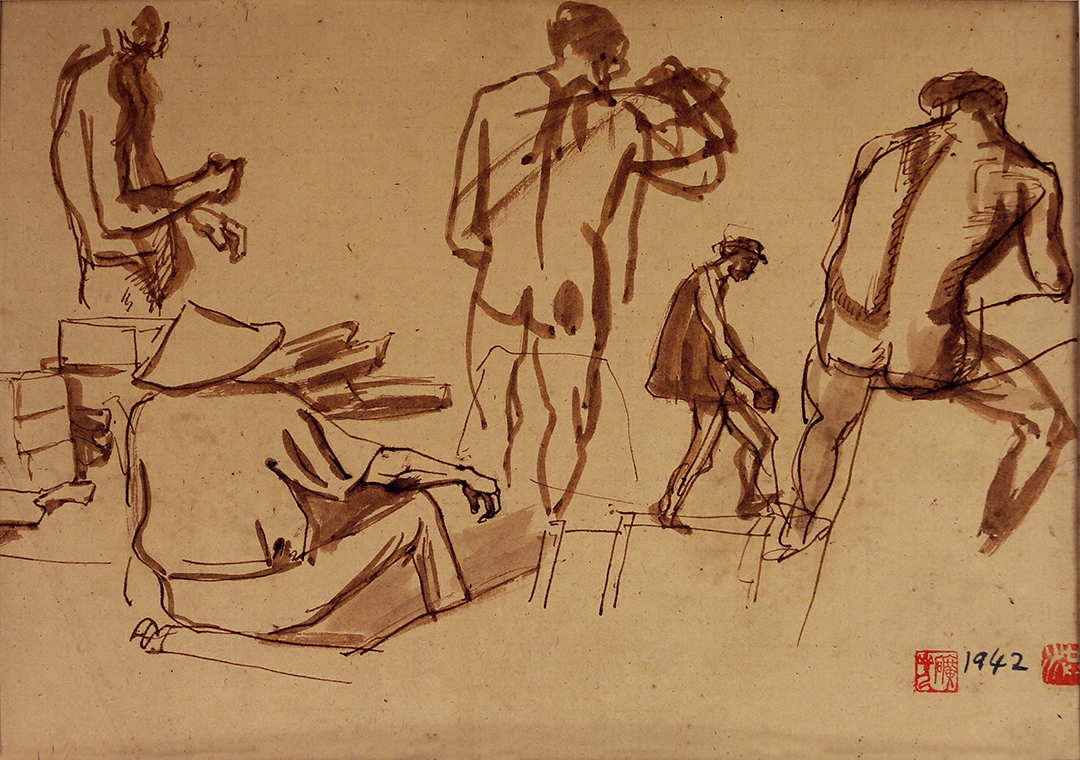
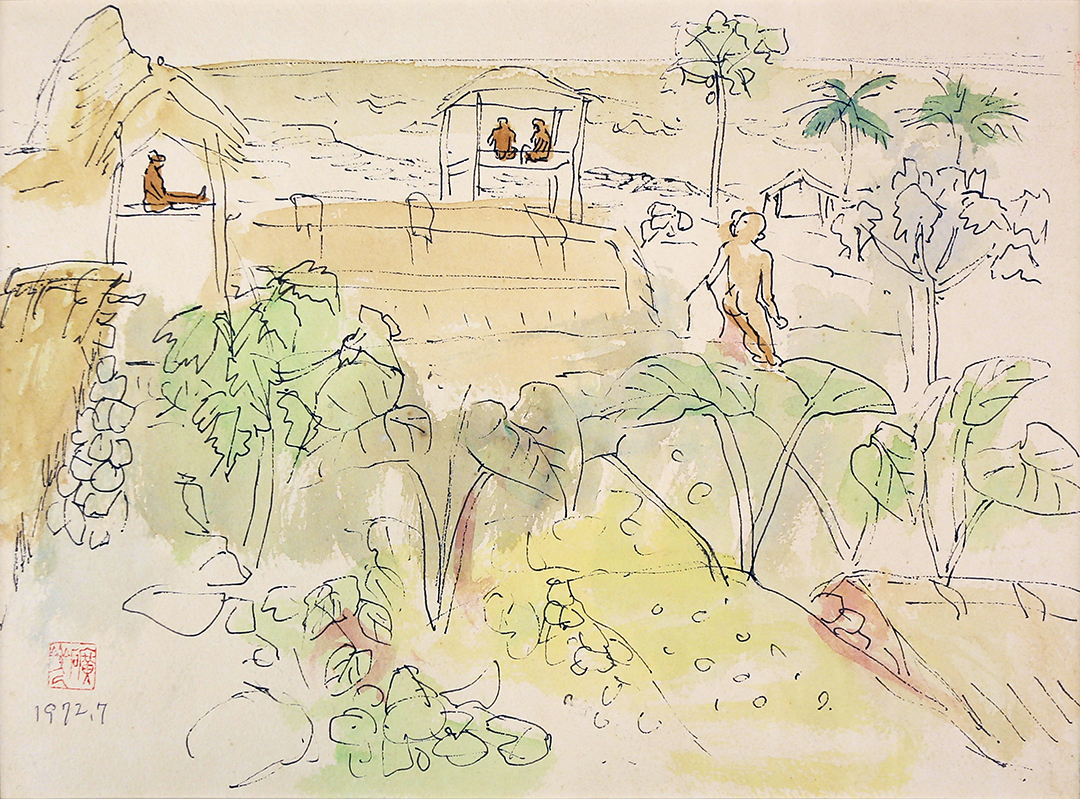
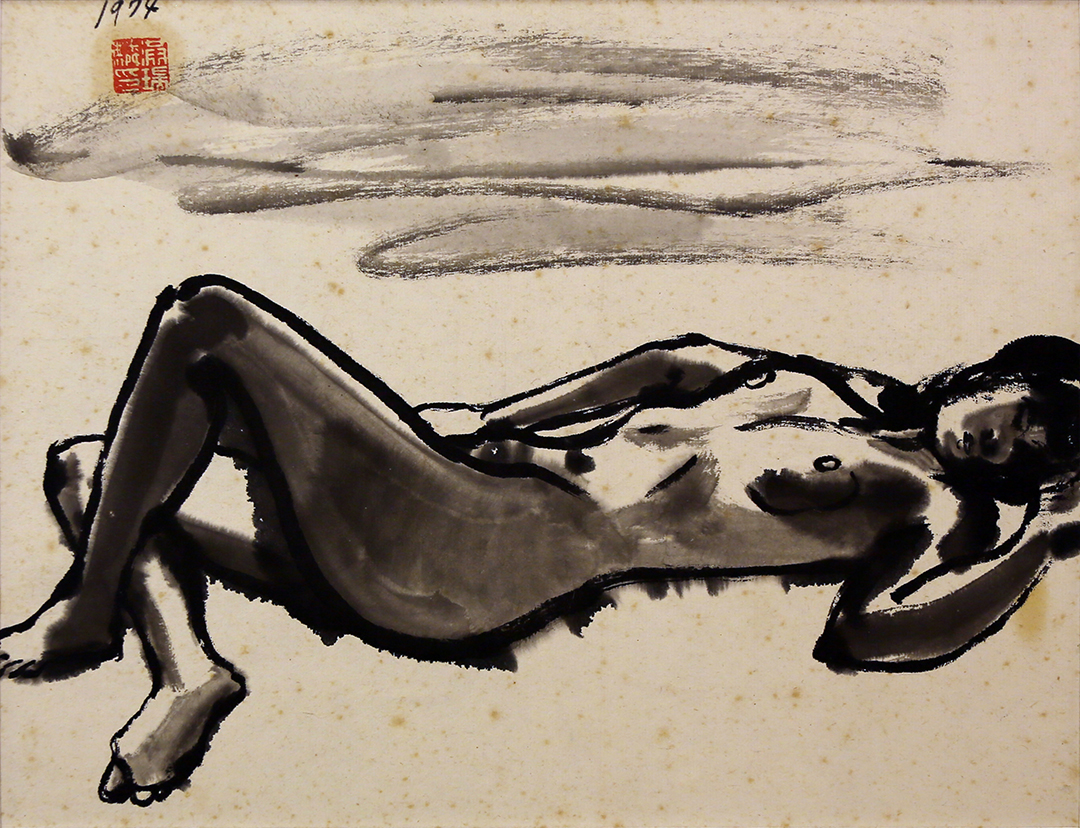
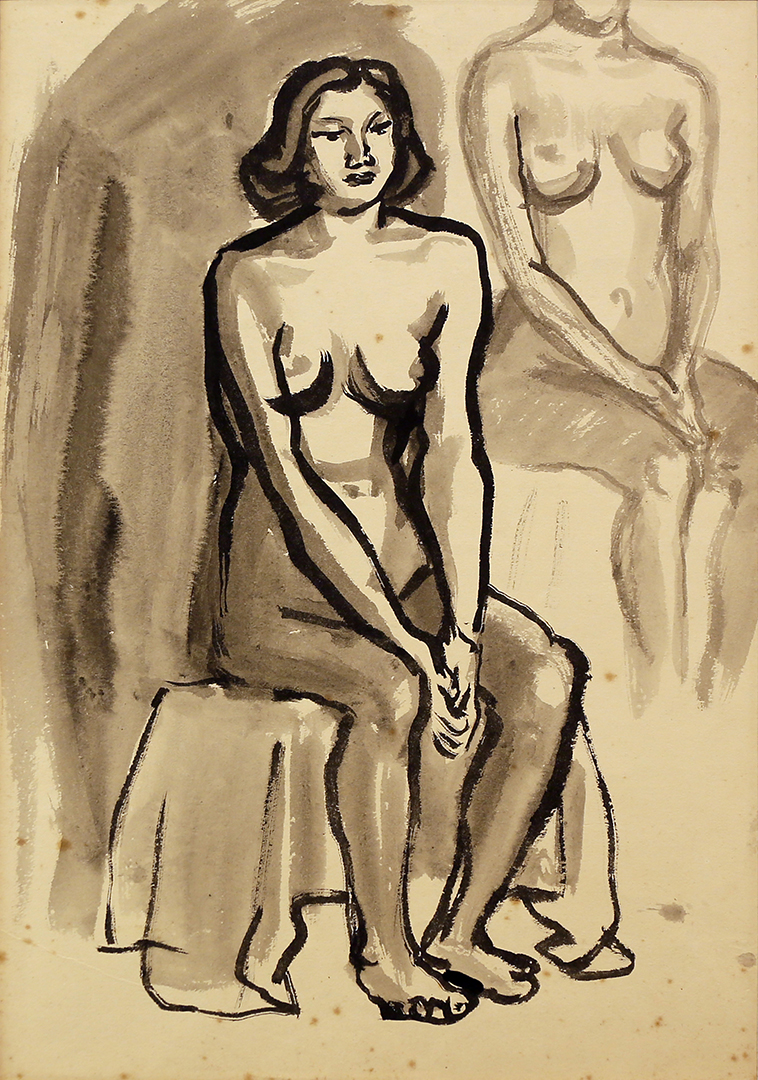
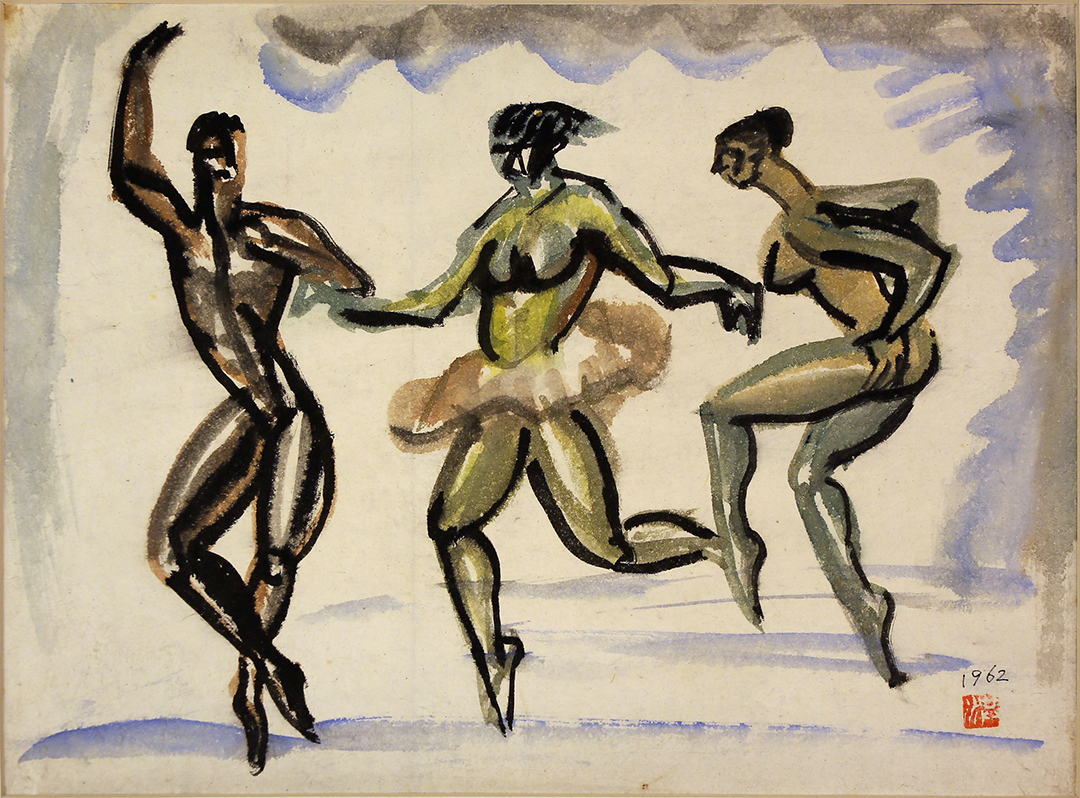
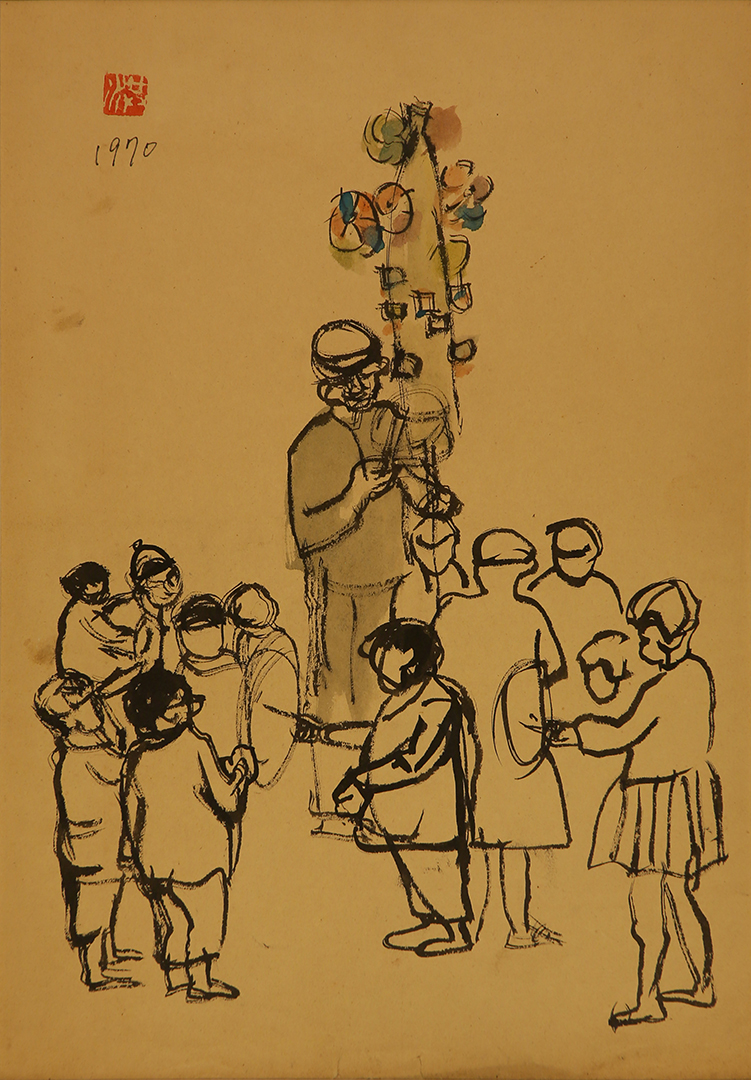
除礦工之外,洪瑞麟也創作蘭嶼人物、裸女、街景與風景。晚年離開礦場之後, 畫面逐漸由幽暗轉向明亮,色彩轉為開放而燦爛,呈現出另一種對生命與自然的感受。 若說礦工系列是對人性與勞動的深刻凝視,那麼晚年的風景,則更接近一種對光的回應。
Beyond the miners, Hung also painted Orchid Island subjects, nudes, street scenes, and landscapes. In later years, after leaving the mine, his palette opened toward light—bright, expansive, and sun-filled. If the Miner Series is a profound meditation on labor and humanity, the later landscapes answer life through light.
創作脈絡|四個時期
藝術啟蒙期|1924–1930
早年受家庭文化氛圍、人道主義文學與西方寫實主義影響, 奠定日後對勞動者與社會底層人物的深刻關懷。
留日進修時期|1930–1937
赴日接受西方學院訓練,接觸野獸派、立體派與表現主義, 逐漸形成強烈線條與厚實造形感的個人風格。
礦工時期|1938–1972
進入瑞芳煤礦工作後,開始長期描繪礦工與礦區生活。 1956 至 1965 年為礦工系列的重要高峰。
晚年陽光時期|1972–1996
退休後旅居海外,逐步轉向明亮風景與日常景象, 以更開闊的色彩回應自然與人生後段的光。
Selected Works|作品欣賞
此頁採精選策展式編排,保留礦工系列為主軸,其餘題材作為創作延伸。
Miner Series|礦工系列
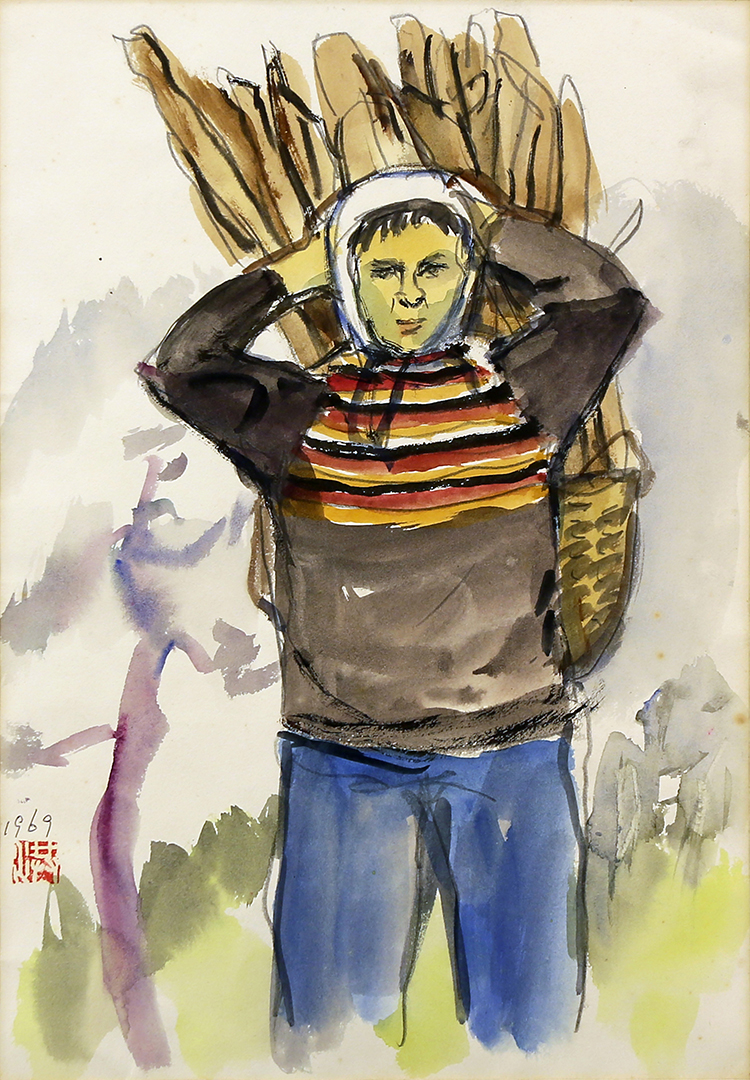
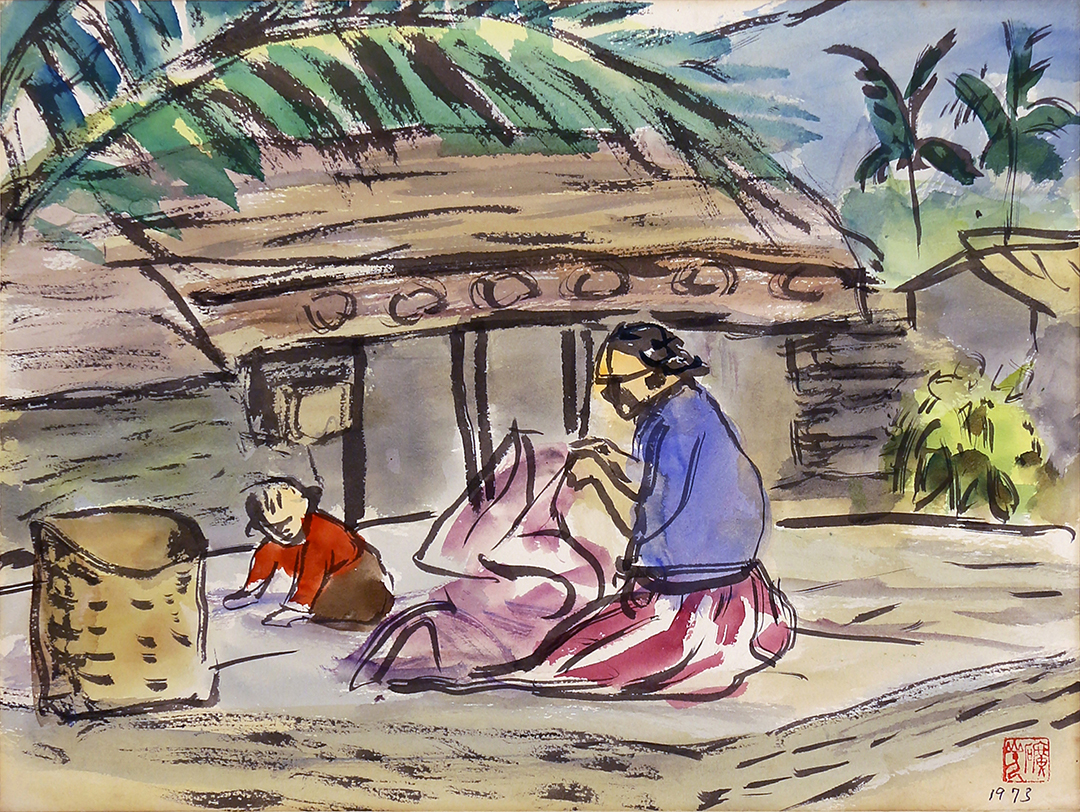
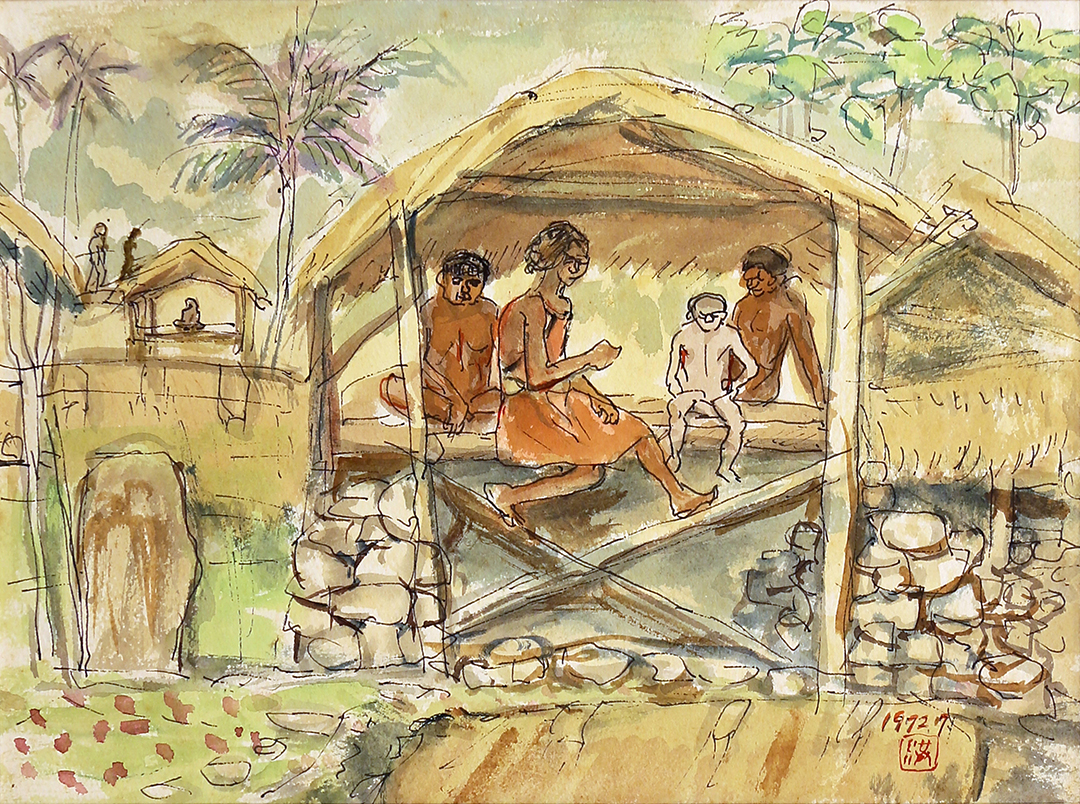
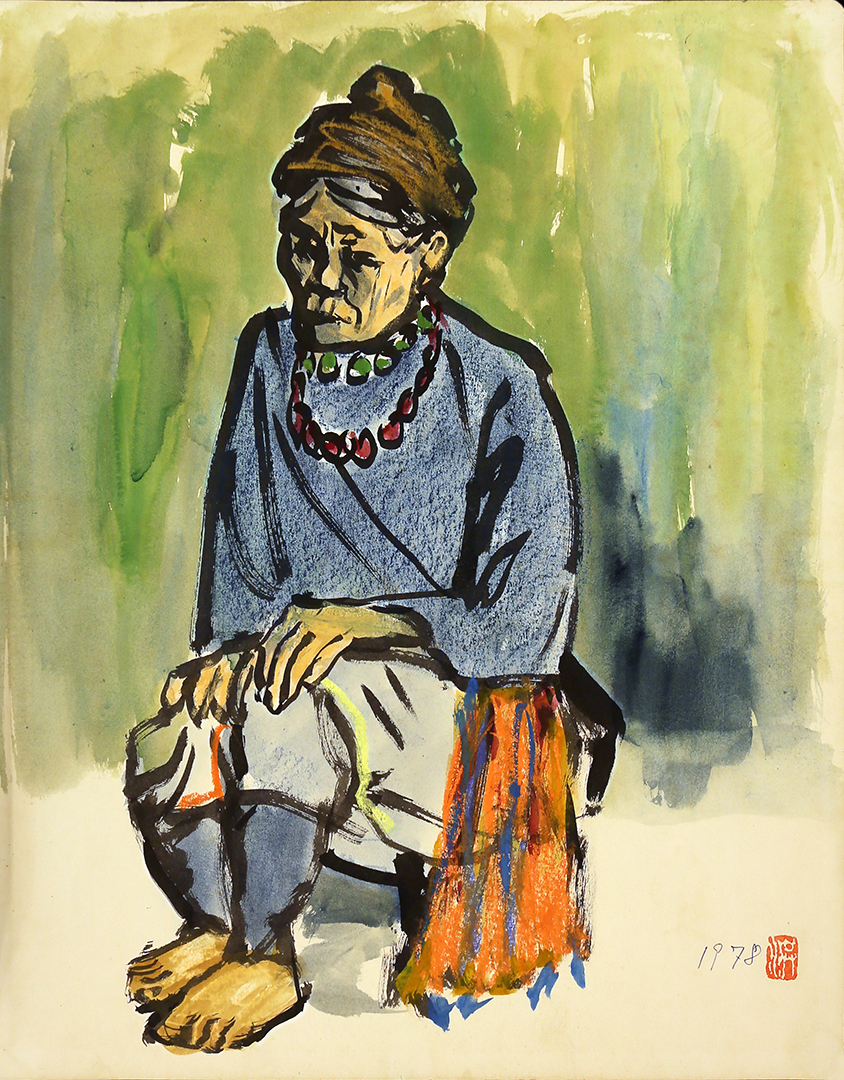
Orchid Island|蘭嶼
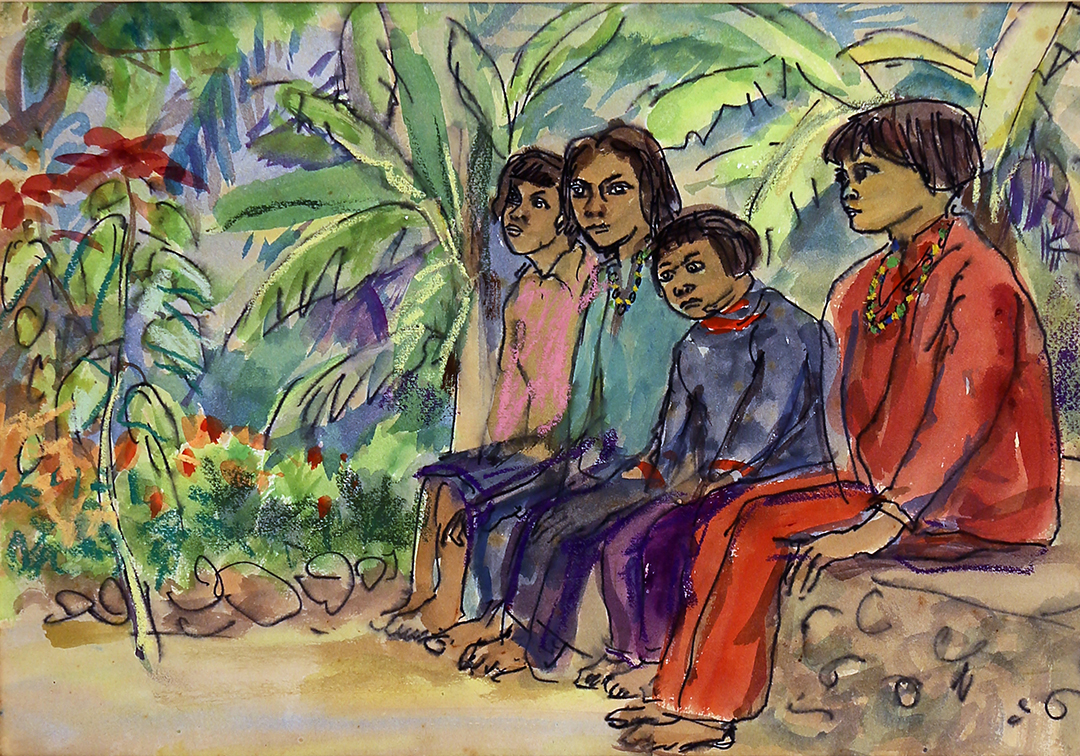
Figures|人物
Landscape|風景